
Get Residential Solar Installation
Residential solar installation services help property owners set up solar panels to generate electricity, covering projects like system design, equipment setup, and permitting.
Property owners exploring residential solar installation services are in the right place. This page is designed to help you compare local contractors who can assist with planning and executing solar projects tailored to your property’s specific needs. Whether you’re considering solar for energy savings, property value enhancement, or simply to explore your options, understanding the available local services can make the process more straightforward and manageable.
Continuing to explore your options allows you to evaluate different service providers in your area who are experienced in residential solar installations. By reviewing local contractor options, you can gather the information needed to make informed decisions about your project. Keep reading to discover how trusted local service providers can support your goals and help you find the right solutions for your property.
- Residential Solar Panel Installation - when homeowners want to harness sunlight to reduce energy bills.
- Solar System Upgrades - for residents updating or expanding existing solar setups.
- New Home Solar Setup - during construction or renovation to incorporate solar energy systems.
- Solar Panel Replacement - when existing panels are outdated or damaged and need replacement.
- Roof-Mounted Solar Projects - for homeowners planning to install solar panels on new or existing roofs.
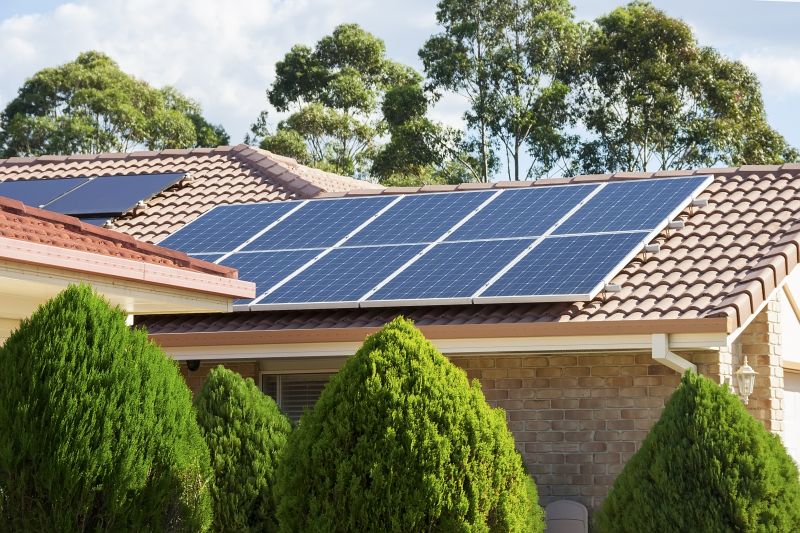
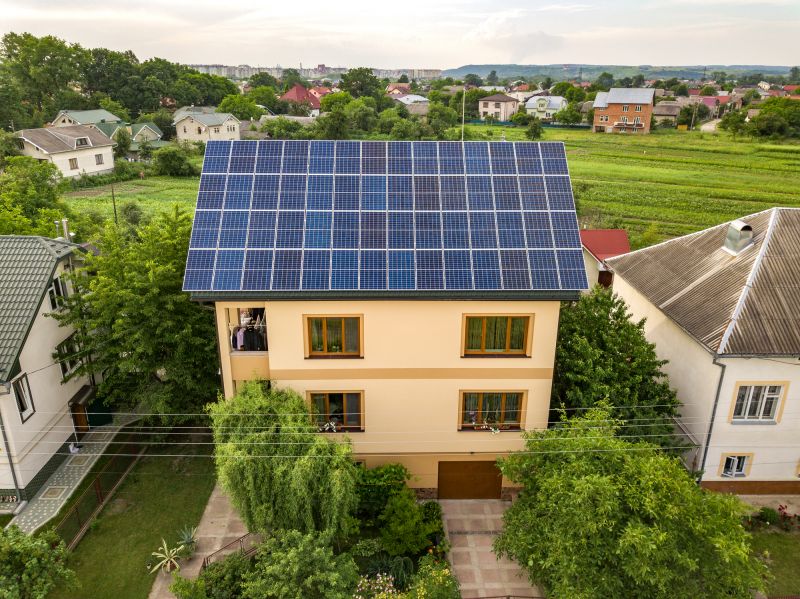
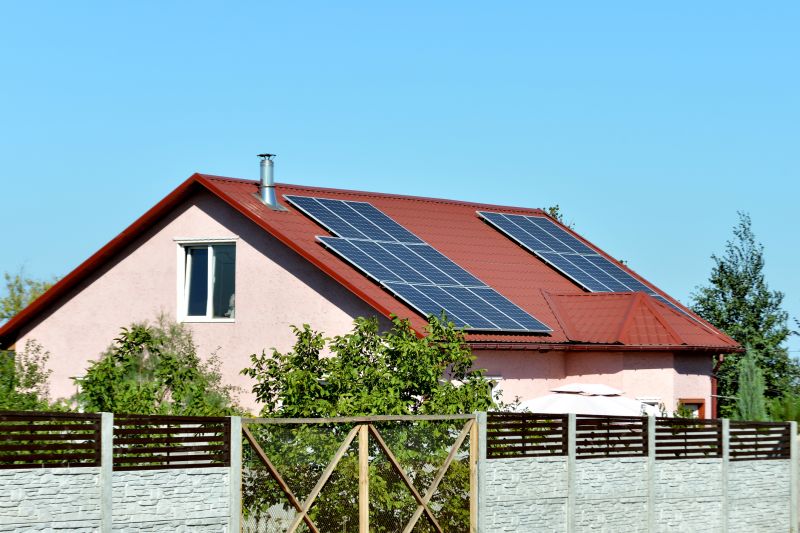
Residential solar installation services involve the setup of solar panel systems on homes to generate electricity from sunlight. This process typically includes evaluating the property's solar potential, designing a system tailored to the home's energy needs, and installing the panels securely on rooftops or other suitable surfaces. These service providers handle all aspects of the installation, ensuring that the system is properly integrated with the existing electrical setup and functions efficiently. Homeowners interested in reducing their reliance on traditional power sources often seek out these services to harness the power of the sun for everyday energy needs.
Solar installation can help address common issues such as high energy bills and power outages. By producing electricity on-site, homeowners can decrease their monthly energy costs and gain more control over their energy consumption. Additionally, solar systems can provide backup power during outages, which is especially valuable in areas prone to power disruptions. For many homeowners, installing solar panels is a practical way to improve energy independence, reduce ongoing expenses, and add a level of resilience to their home’s power supply.
These services are typically used on a variety of property types, including single-family homes, multi-family residences, and sometimes small commercial buildings. The most common applications are on residential rooftops, where available space and sunlight exposure make solar panels an effective option. Homes with unobstructed southern or western exposure tend to be ideal candidates, but service providers can assess a property’s specific conditions to determine the feasibility of solar installation. Properties that are well-maintained and have accessible roof structures are often suitable for solar panel systems, making it easier to complete the installation efficiently.
Homeowners who are considering solar installation usually do so when they want to lower their energy costs, increase energy independence, or prepare for future energy needs. Those with large, sun-facing roofs or properties in areas with high electricity rates may find solar particularly advantageous. Service providers can evaluate the unique characteristics of each property to recommend a system that meets energy goals and fits the home’s structure. Contacting local contractors can help homeowners explore their options and determine if solar installation is a practical solution for their residence.
The overview below groups typical Residential Solar Installation projects into broad ranges so you can see how smaller, mid-sized, and larger jobs often compare in your area.
In many markets, a large share of routine jobs stays in the lower and middle ranges, while only a smaller percentage of projects moves into the highest bands when the work is more complex or site conditions are harder than average.
Small Repairs - Typical costs for minor solar repairs or upgrades usually range from $250 to $600. Many routine fixes fall within this band, though prices can vary based on the specific issue and system size.
Partial System Upgrades - Replacing or upgrading parts of a solar system generally costs between $1,000 and $3,000. Larger, more complex upgrades can reach $4,000 or more, but most projects stay within this middle range.
Full System Installation - Installing a new residential solar system often costs between $10,000 and $20,000. This range covers most standard-sized systems, with larger or custom setups potentially exceeding this estimate.
Large or Custom Projects - Extensive solar installations or custom-designed systems can cost $25,000 and above. These higher-end projects are less common but are handled by local contractors for specialized needs.
Actual totals will depend on details like access to the work area, the scope of the project, and the materials selected, so use these as general starting points rather than exact figures.
Roofing Projects - roofing installation and repair require similar planning, safety measures, and knowledge of roofing materials as residential solar panel installation.
Electrical Wiring Services - electrical wiring for home renovations or upgrades shares skills in electrical systems and safety protocols with solar power system setup.
Home Energy Audits - assessing energy efficiency involves understanding electrical loads and energy flow, which complements the planning process for solar installations.
Window and Skylight Installation - installing windows and skylights involves structural planning and precise work that aligns with the installation of solar panels on rooftops.
HVAC System Installation - HVAC setup requires knowledge of building systems and planning for integrating new equipment, similar to solar system integration.
Solar Water Heater Installation - installing solar water heaters involves solar technology and plumbing skills that are closely related to residential solar panel projects.
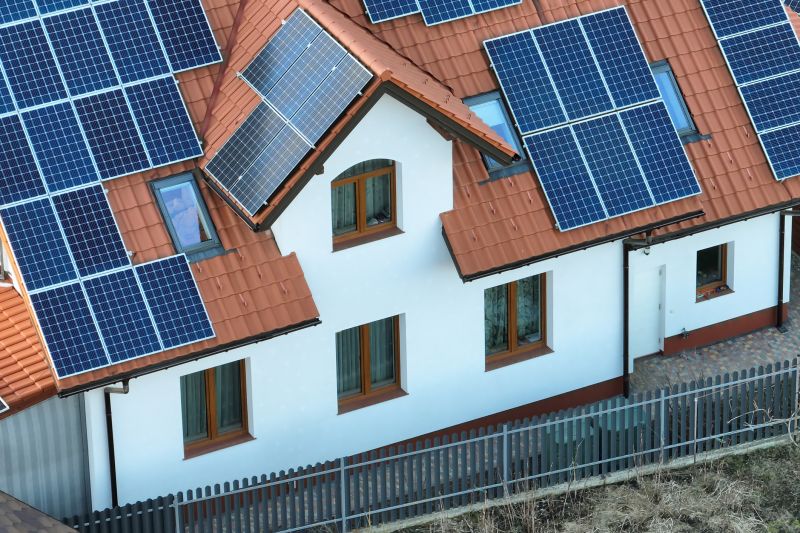
When evaluating potential service providers for residential solar installation, it is important to consider their experience with projects similar to your home. A contractor with a proven track record in handling installations comparable in size, design, or complexity can provide insight into their expertise and familiarity with local conditions. Asking for examples of past work or references from previous clients can help gauge their ability to deliver quality results that meet your expectations.
Clear written expectations are essential for ensuring a smooth installation process. Look for service providers who can outline the scope of work, materials, and responsibilities in a detailed proposal or contract. This documentation helps prevent misunderstandings and provides a basis for comparing different contractors. Good communication from the outset indicates a professional approach and can make it easier to address questions or concerns throughout the project.
Reputable references and positive feedback from previous customers are valuable indicators of a dependable contractor. When possible, seek out reviews or contact past clients directly to learn about their experiences. A service provider who maintains transparent communication, adheres to commitments, and has a history of satisfied customers is more likely to deliver a satisfactory installation. Keep in mind that the site introduces homeowners to local options and does not perform the work itself, so verifying credentials and reputation directly with the contractors is an important step in the selection process.
Property owners use Residential Solar Installation services for practical projects around their homes and businesses. This guide focuses on everyday jobs and straightforward project options.
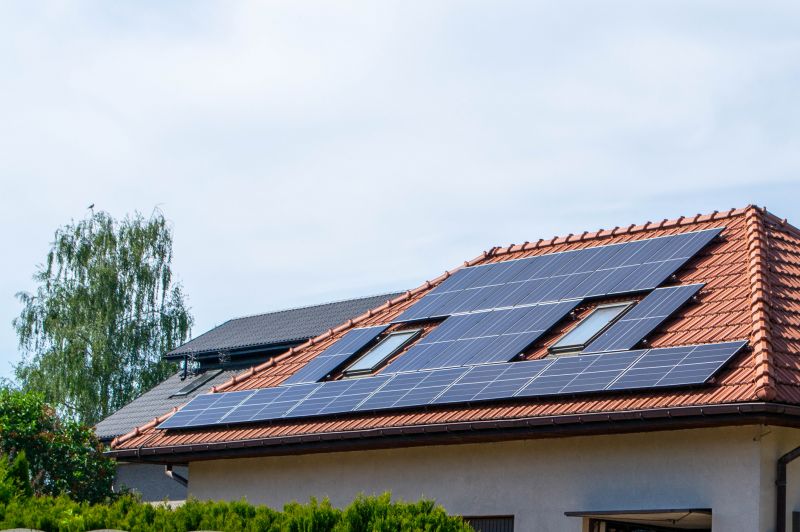
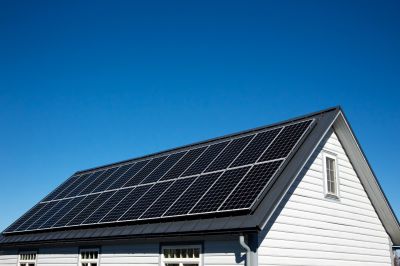
Residential property owners in the area often consider solar installation services when looking to reduce their energy bills or improve the efficiency of their homes. Common situations include upgrading an aging roof, building a new addition, or simply exploring ways to lower monthly expenses. Local contractors are available to assess the property’s energy needs, help determine suitable solar solutions, and handle the installation process smoothly.
Many homeowners seek solar services after noticing increased energy costs or wanting to take advantage of available incentives. Others may be planning a home renovation or new construction that can incorporate solar panels from the start. Service providers in the community are equipped to guide property owners through the process, offering expert installation tailored to the specific layout and energy requirements of each home.
How do residential solar installation services work? Local contractors assess the property, design a suitable solar system, and handle the installation process to ensure proper setup and connection to the electrical system.
What should I consider before installing solar panels at home? Homeowners typically evaluate roof condition, shading, and energy needs to determine the best system size and placement for optimal performance.
Are residential solar installations suitable for all homes? Solar systems can be installed on most rooftops, but a professional assessment is recommended to determine compatibility and optimal positioning.
How do local service providers ensure proper solar panel installation? Experienced contractors follow industry best practices, use quality equipment, and adhere to safety standards during the installation process.
What are the benefits of choosing local solar installation contractors? Local providers understand regional requirements, offer personalized service, and can coordinate efficiently to complete projects smoothly.
Reduce energy bills - property owners can explore solar installation options to lower monthly energy expenses and save money over time.
Increase property value - adding solar systems can enhance the appeal and market value of a home for future resale.
Enhance energy independence - homeowners can consider solar solutions to generate their own power and reduce reliance on the grid.
Utilize available roof space - property owners might plan solar panel setups to make the most of their roof area for energy production.
If you are thinking about Residential Solar Installation for a property, this guide is meant to help you understand the work, the typical project types, and how different options might fit your plans.
When you are ready, you can use the quote form on this page to share a few details about your project. From there, local pros can review the basics and respond with options that match what you have in mind.